Torque Rheometers
    Torque Rheometers
    Torque Rheometers
    Torque Rheometers
    Torque Rheometers
    Torque Rheometers
    Torque Rheometers
    Torque Rheometers
    Torque Rheometers
    Torque Rheometers
    Torque Rheometers
    Torque Rheometers
    Torque Rheometers
    Torque Rheometers
    Torque Rheometers

    Torque Rheometers

    Contact
    X0H9U5TLD8
    Torque Rheometers are used for evaluating the flow, deformation, and processing behavior of polymers and other…

    Torque Rheometers – Advanced Analysis of Polymer Processing Behavior

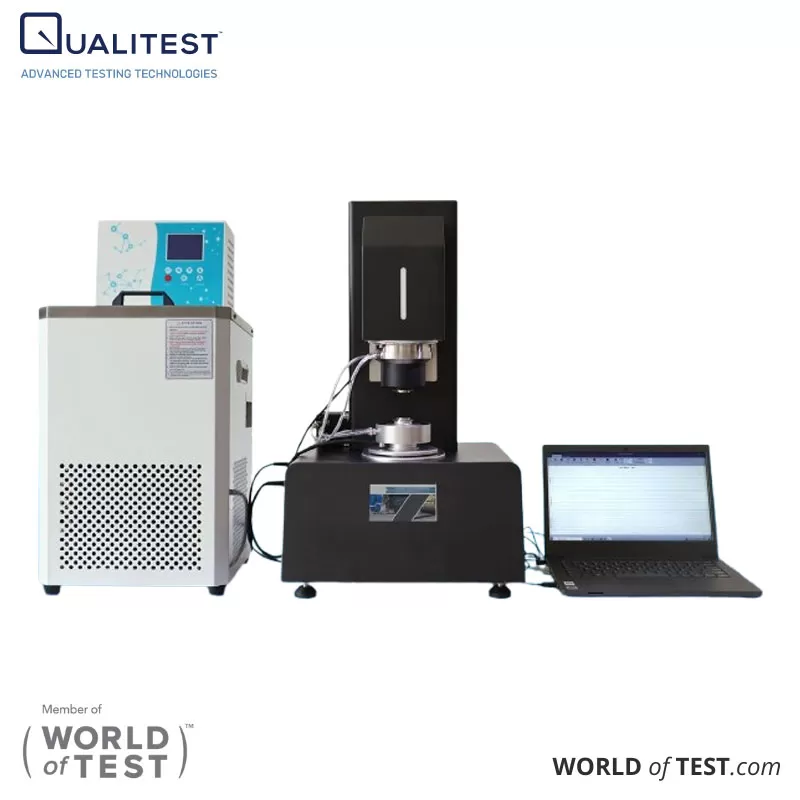
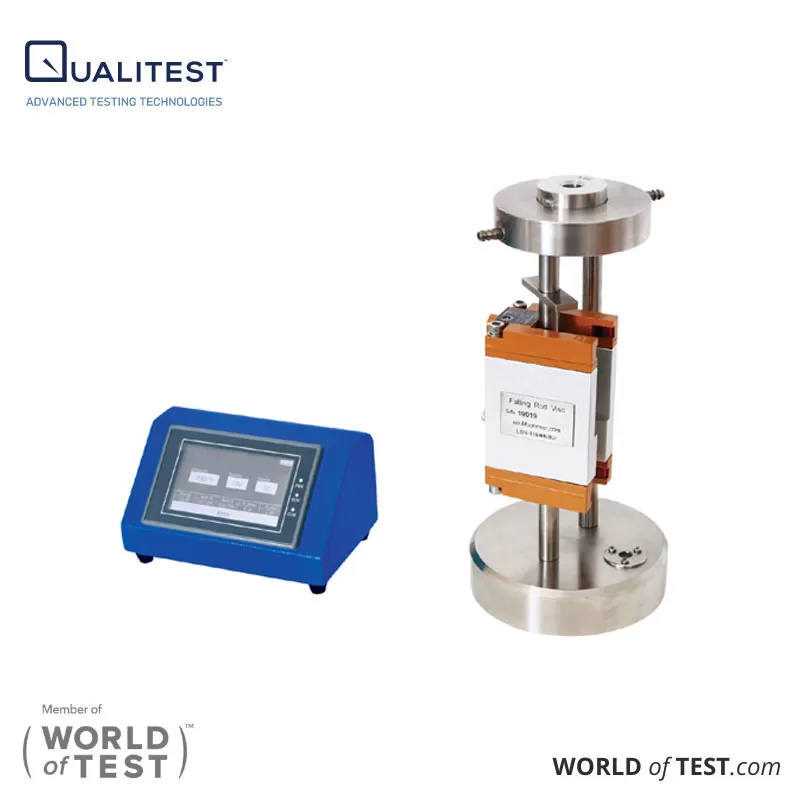
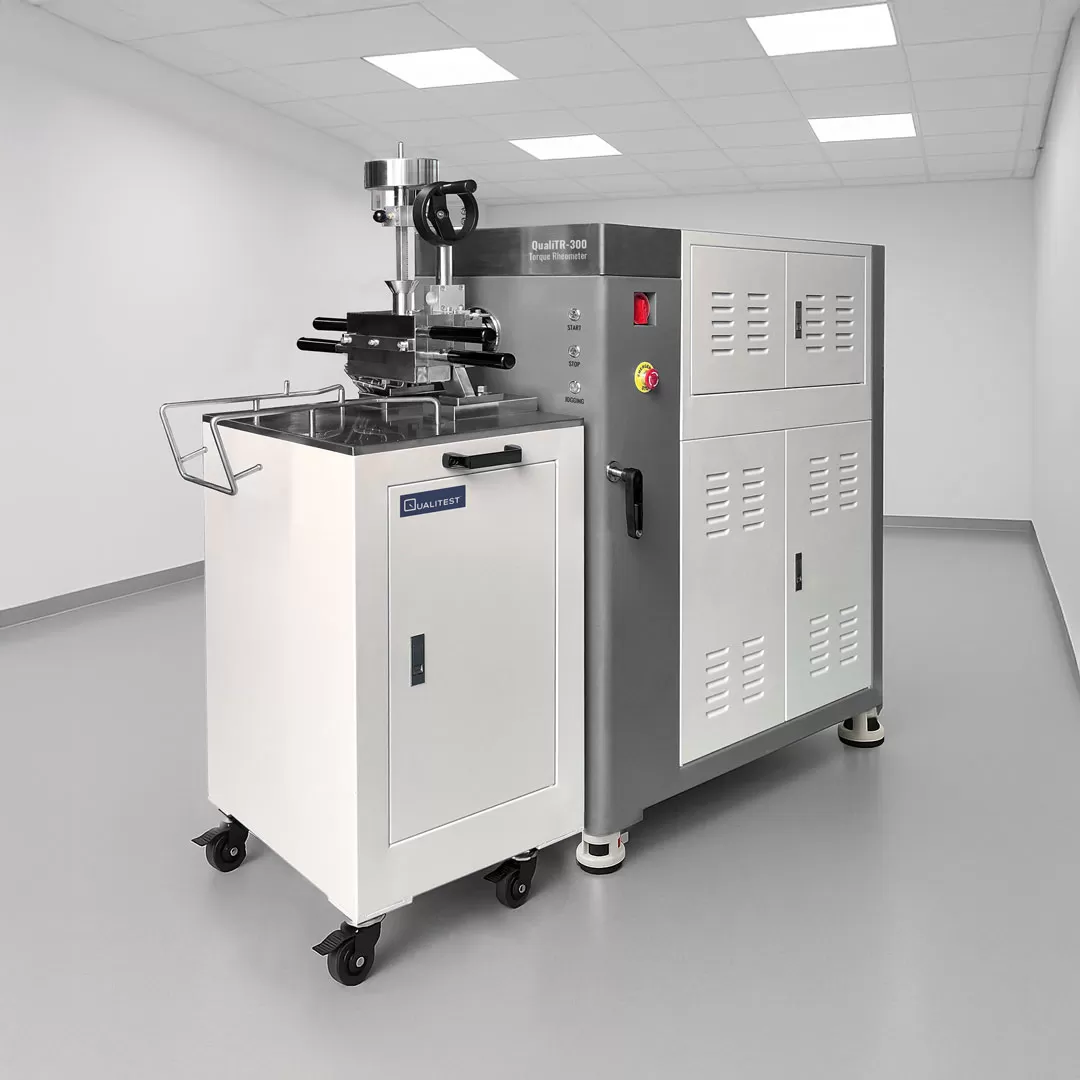
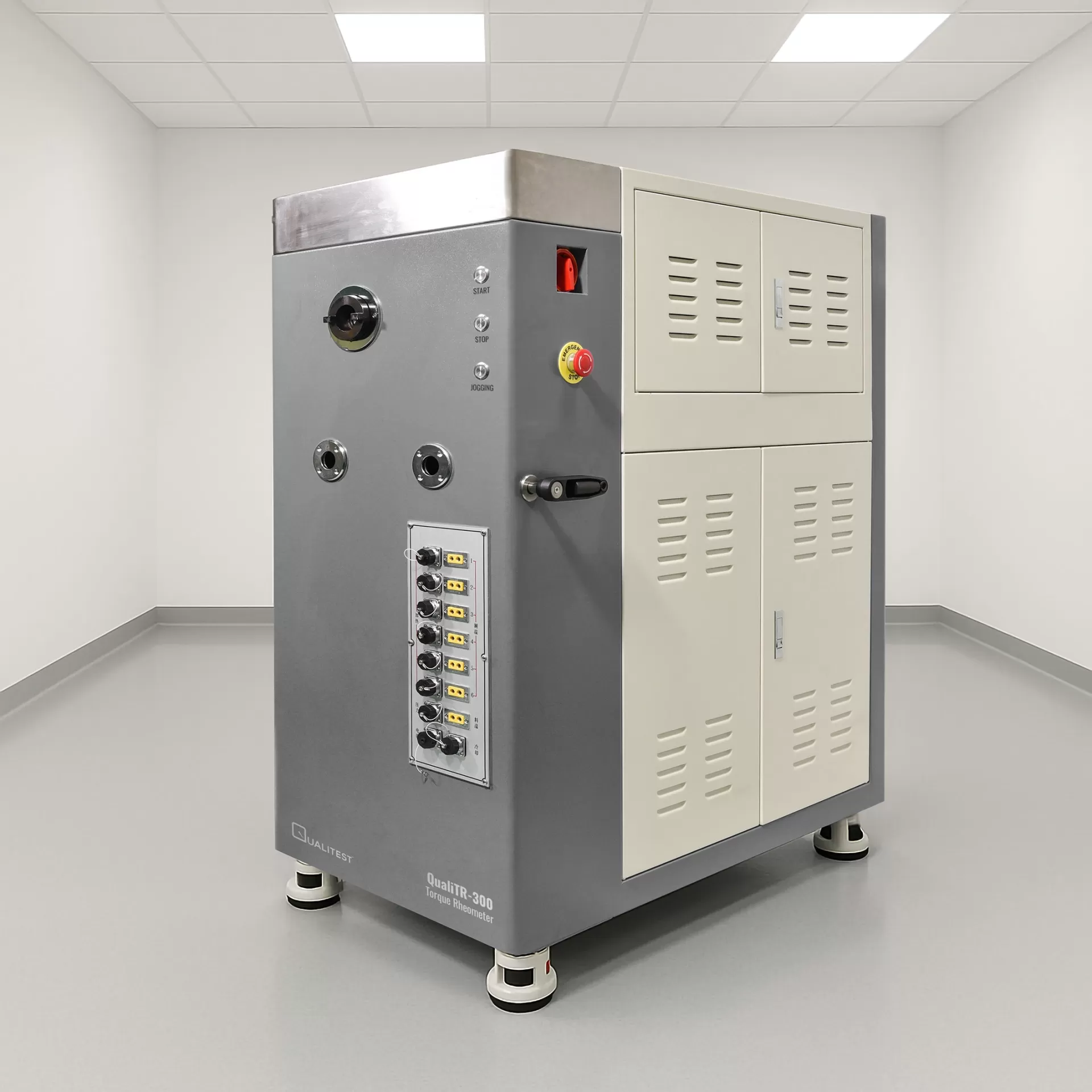
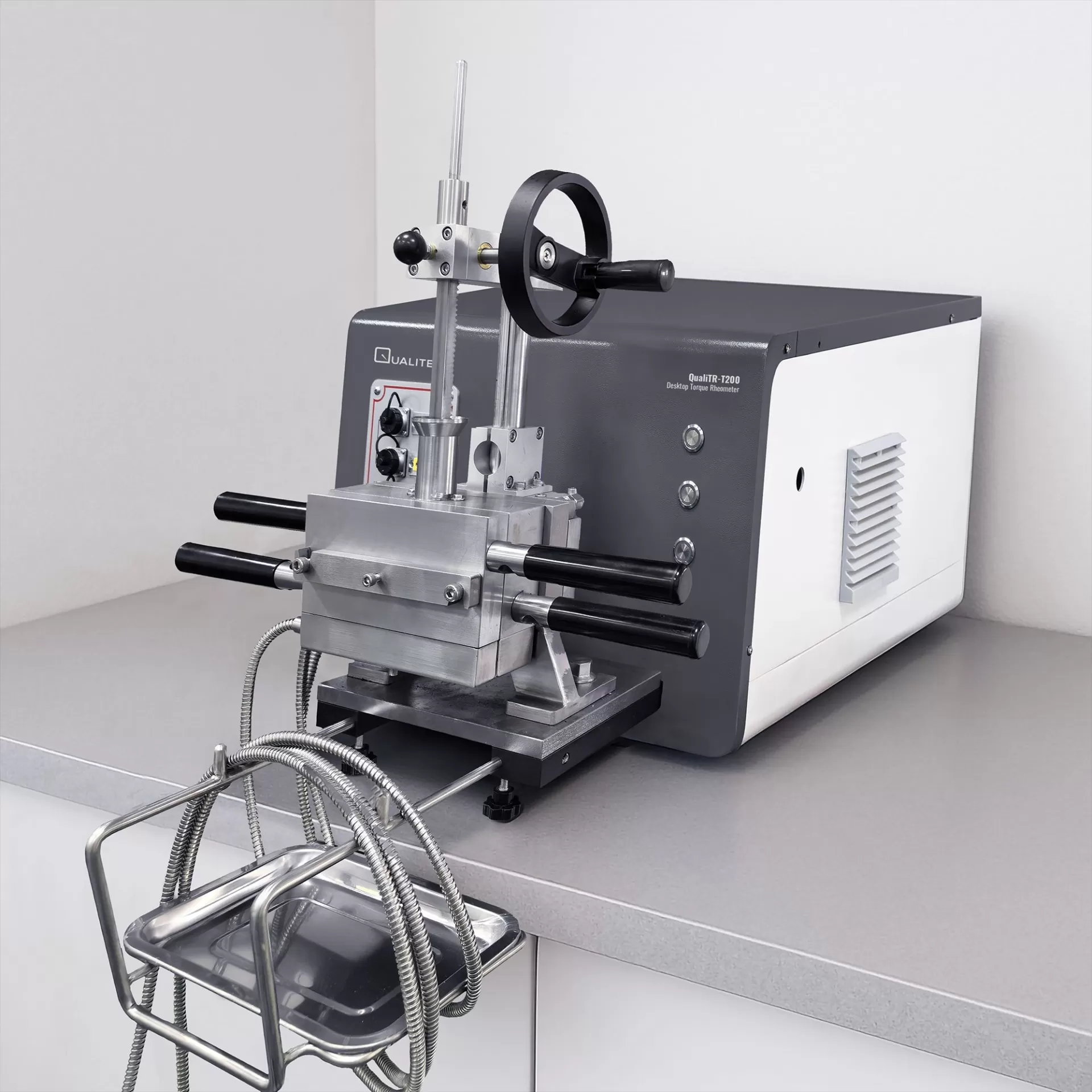
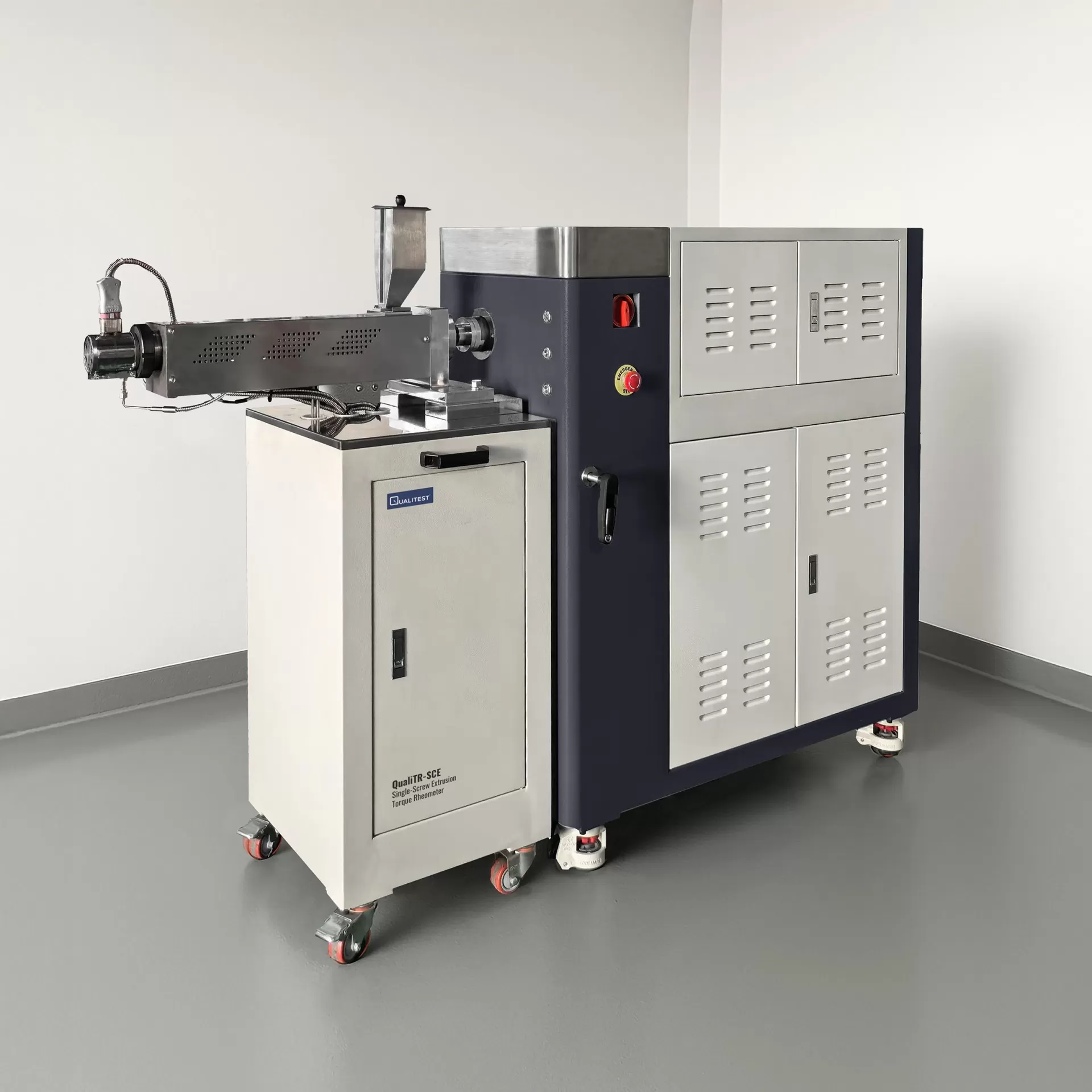
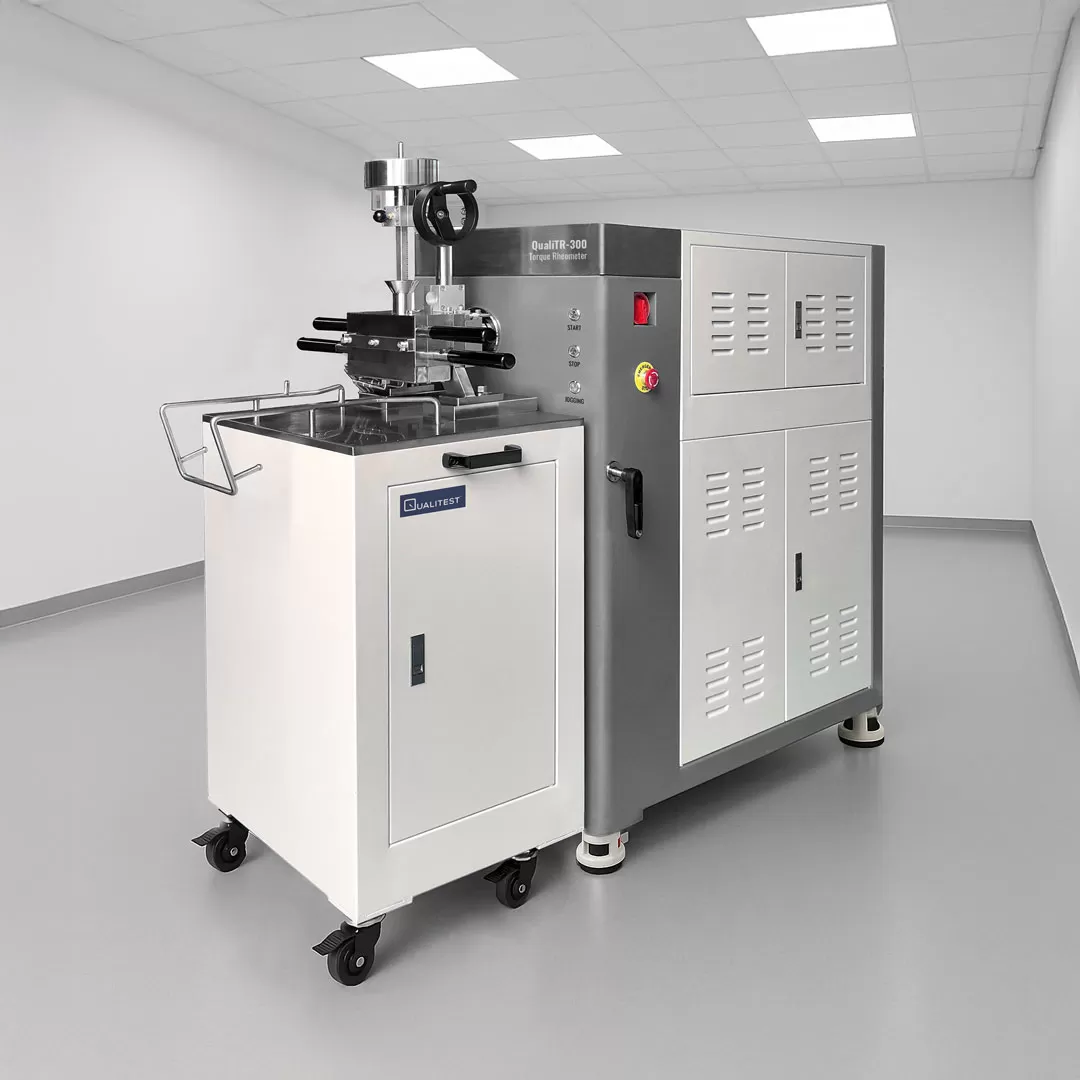
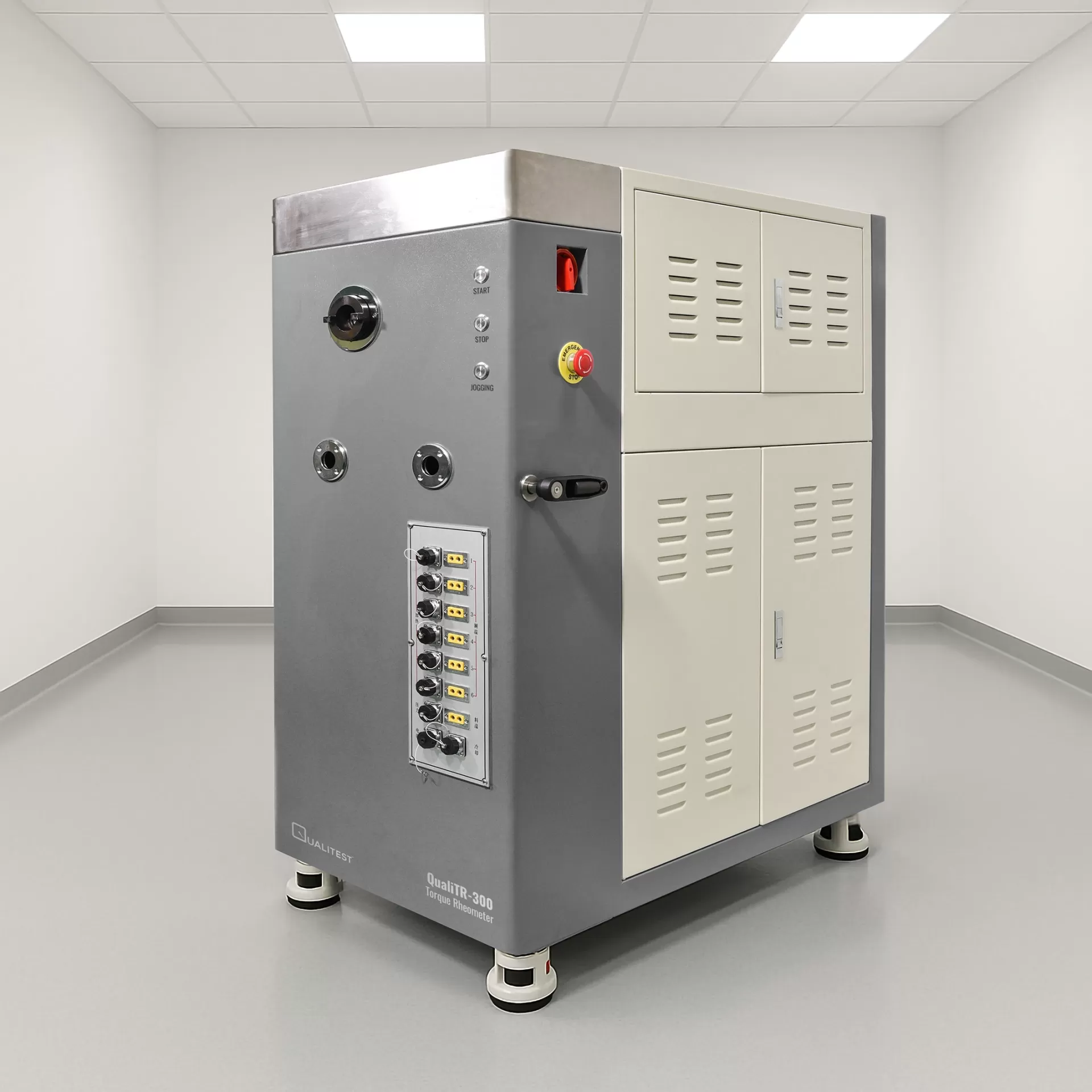
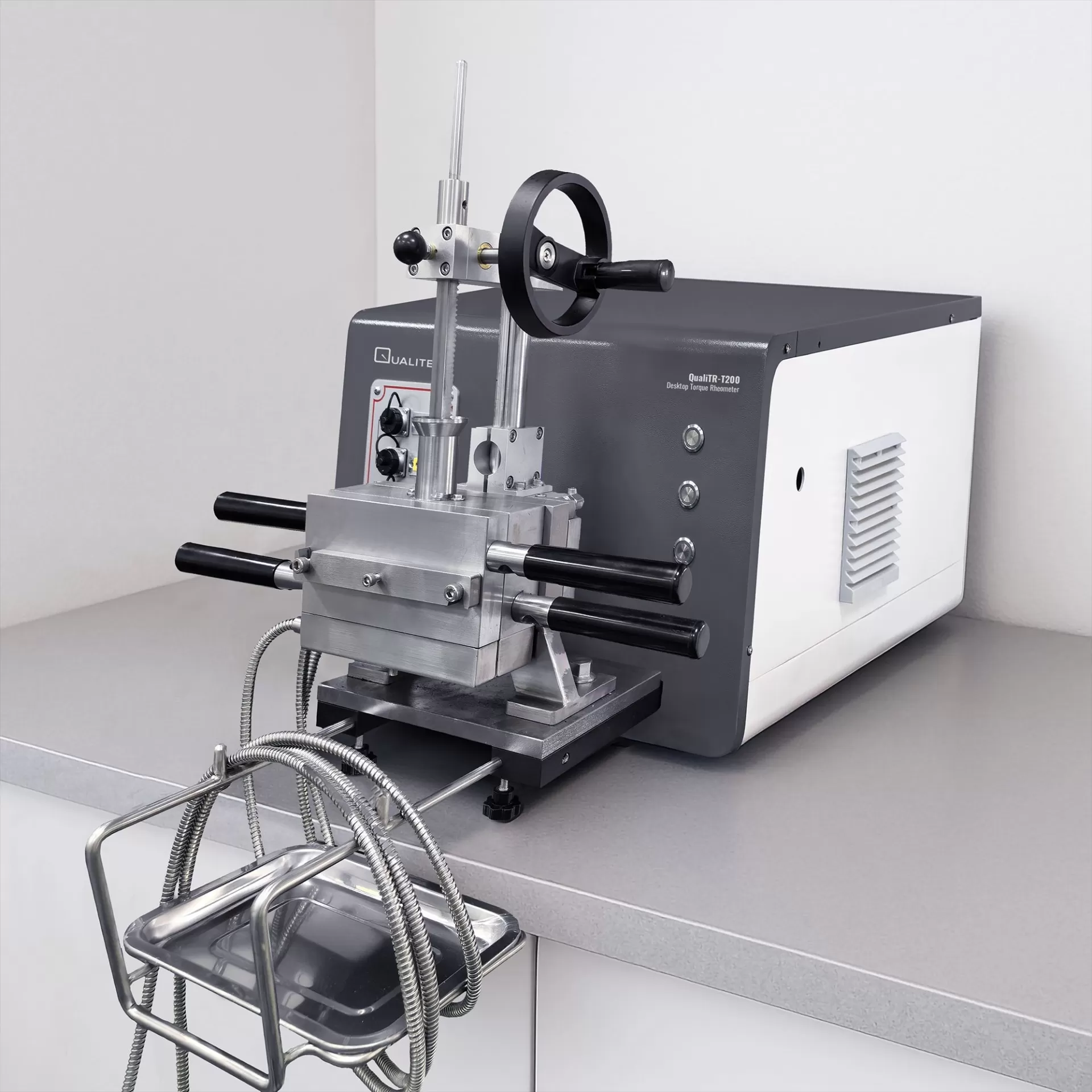
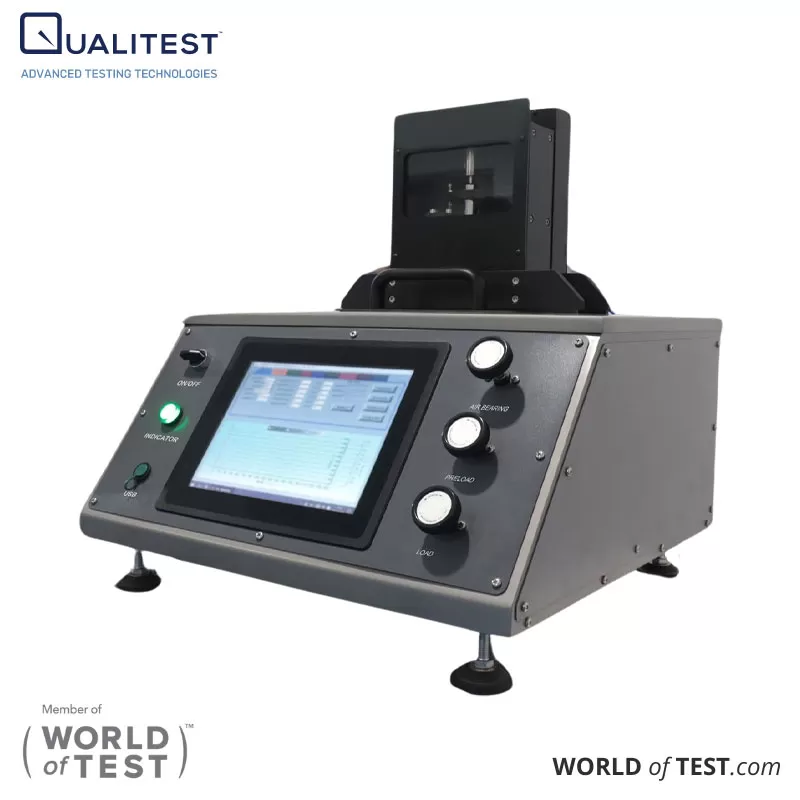
    Torque Rheometers are used for evaluating the flow, deformation, and processing behavior of polymers and other materials under controlled shear conditions. At Qualitest, we offer a full range of high-performance Torque Rheometers designed to meet the precise needs of research labs, quality control departments, and industrial processing environments.

    What is a Torque Rheometer?

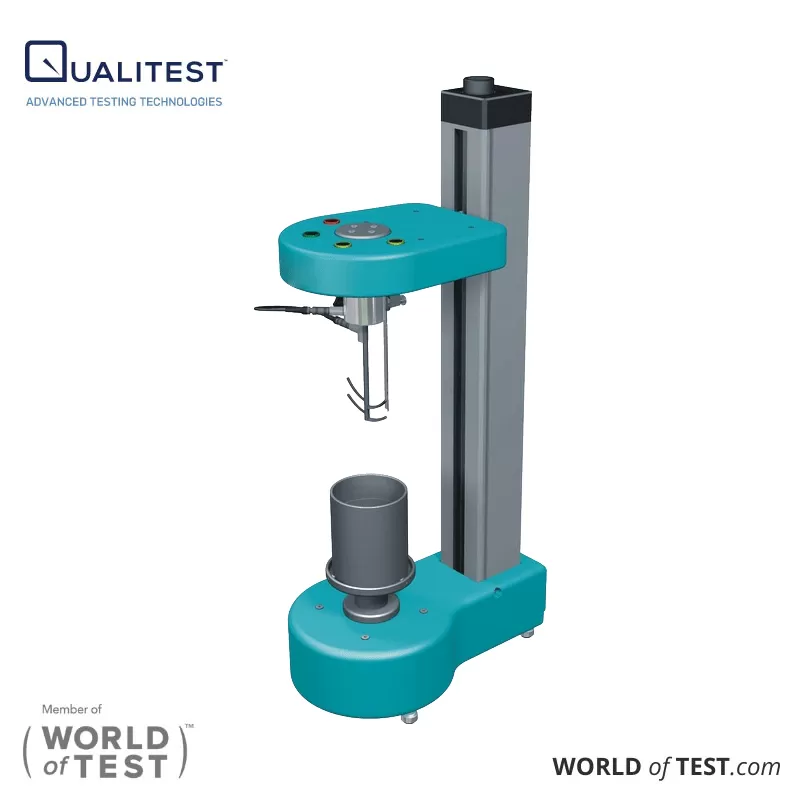
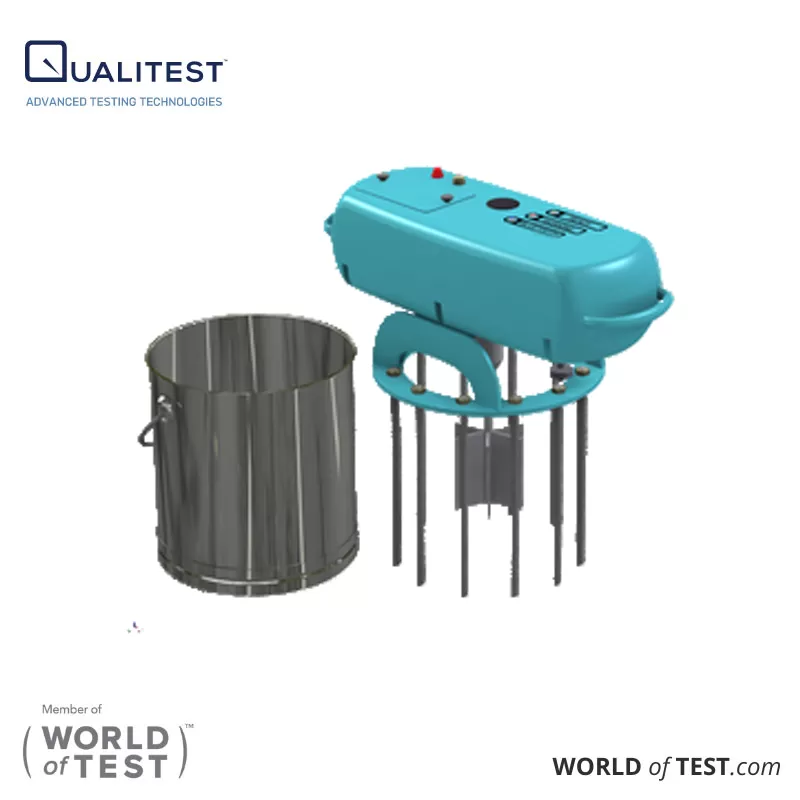
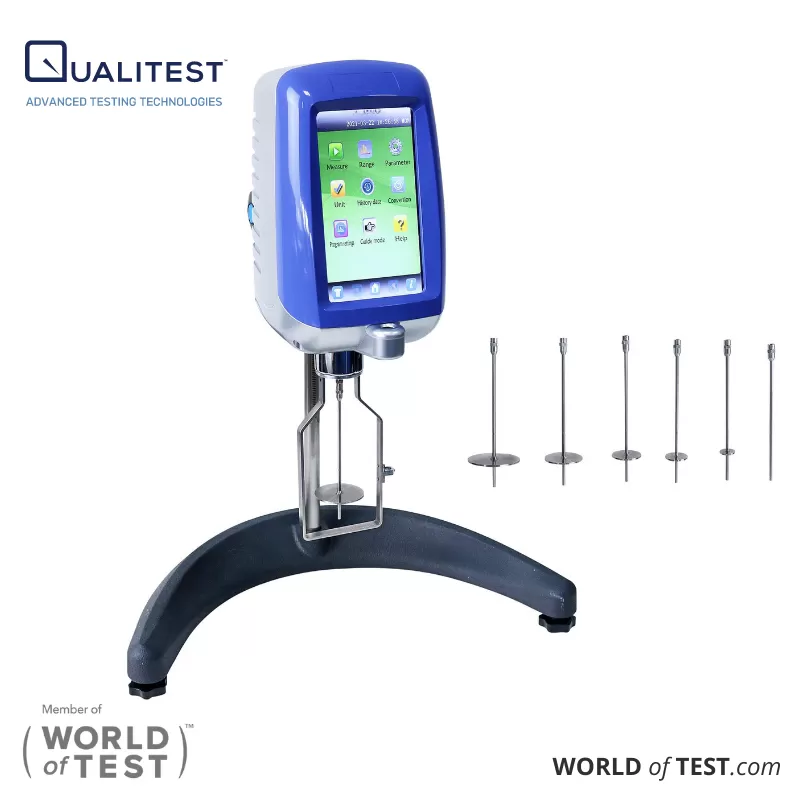
    A Torque Rheometer measures the torque (rotational force) and viscosity of materials during mixing, kneading, extrusion, or other processing conditions. It simulates real-world manufacturing processes on a lab scale, providing crucial insights into the thermal stability, plasticity, shear resistance, and processability of a wide variety of materials.

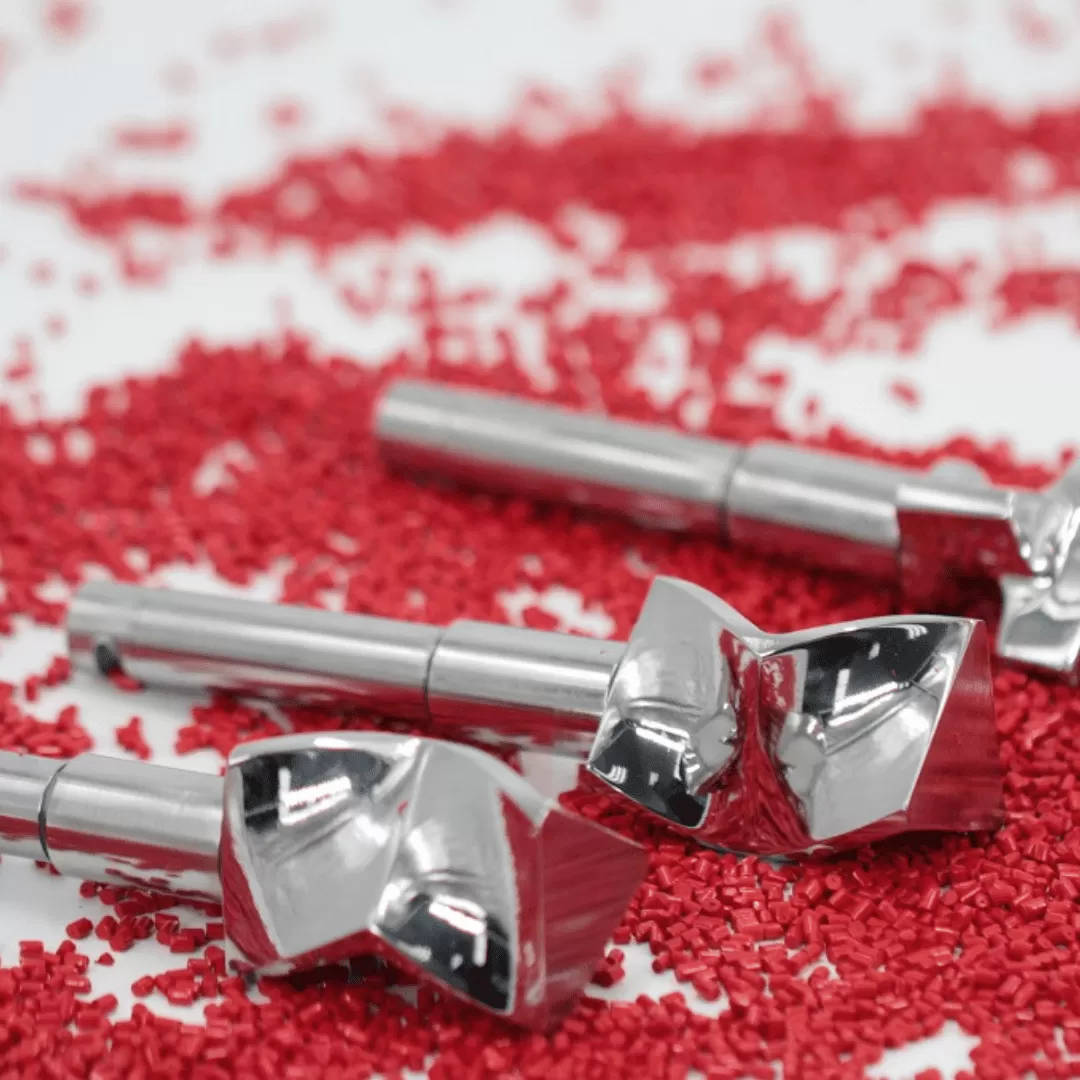
    These instruments are often modular, allowing users to attach different processing units such as mixers, extruders, or kneaders—making them highly versatile for polymer compounding, additives analysis, and formulation development.

    Applications of Torque Rheometers

    Torque Rheometers are widely used across multiple industries, including:

    • Plastics and Polymer Industry: To analyze PVC dry blends, thermoplastics, rubber compounds, and thermosetting materials for melt flow characteristics and processability.
    • Rubber and Elastomer Testing: To determine curing behavior and mixing properties of rubber compounds.
    • Food Industry: For evaluating the consistency and flow behavior of doughs, pastes, and viscous fluids.
    • Pharmaceuticals: To study the mixing and kneading behavior of powdered formulations and pastes.
    • Chemical and Additives Research: For testing the compatibility and performance of stabilizers, lubricants, and plasticizers under simulated processing conditions.

    Standards and Testing Methods

    Qualitest Torque Rheometers are engineered to comply with a wide range of international standards and guidelines, including:

    • ISO 11357: Plastics — Differential scanning calorimetry (applicable in thermal behavior analysis during rheological testing)
    • ISO 6721: Plastics — Determination of dynamic mechanical properties
    • ASTM D4440: Standard Test Method for Plastics — Torque Rheometer Evaluation of Processability
    • DIN 53014: For general torque and shear testing
    • ASTM D2538, ASTM D2230: Specific to PVC processing behavior analysis

    Our systems also support customized test protocols and digital data acquisition systems, enabling detailed graphical analysis and comparison of torque-time, torque-temperature, and viscosity trends.

    Why Choose Qualitest Torque Rheometers?

    • Modular and upgradeable platforms
    • High-precision torque and temperature control
    • User-friendly software interface with real-time data analysis
    • Compatibility with a wide range of attachments (mixer, extruder, granulator, etc.)
    • Designed for both R&D and production quality control environments

    Whether you're working with thermoplastics, elastomers, or food-grade materials, Qualitest's Torque Rheometers provide reliable, repeatable, and standards-compliant testing solutions.

    Discover the full range of Qualitest Torque Rheometers today and elevate your materials testing capabilities with industry-leading precision and flexibility.
    Customer ratings
    5.0
    5
    0%
    4
    0%
    3
    0%
    2
    0%
    1
    0%

    Share product reviews

    Rate and comment

    Send your comment

        Comment
        Submit a comment
          Comment