Capillary Rheometer

    Contact
    2U1KNWLR0B
    A capillary rheometer is a high-precision instrument used to measure the flow behavior of polymers, molten plastics,…

    Capillary Rheometers: Advanced Melt Flow Analysis for Polymer and Material Testing

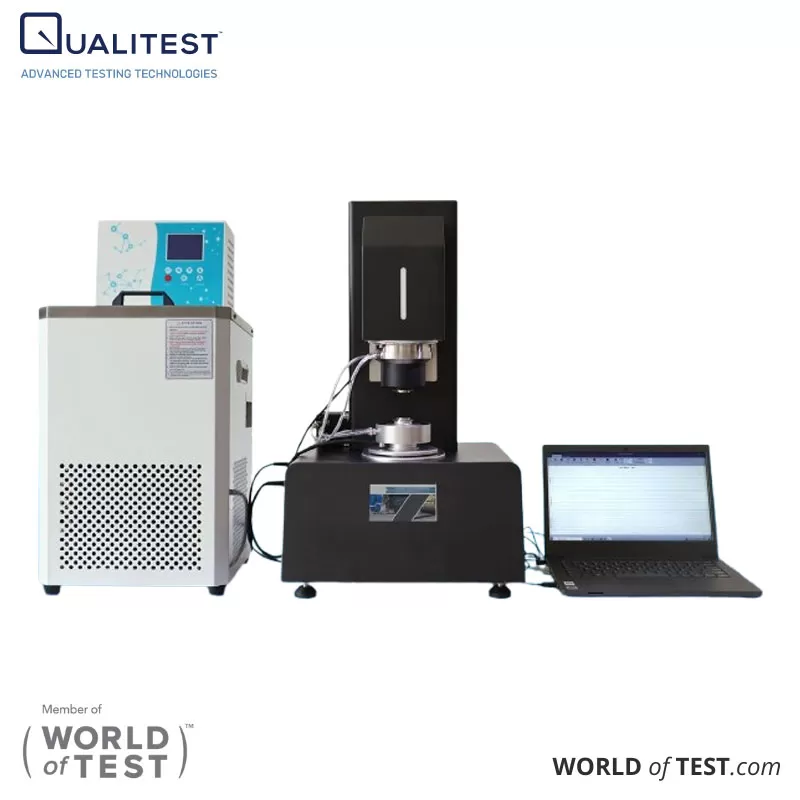
    A capillary rheometer is a high-precision instrument used to measure the flow behavior of polymers, molten plastics, rubbers, and other viscous materials under different shear conditions. By simulating real-world processing environments, capillary rheometers provide critical data for quality control, research, and material development.

    How Does a Capillary Rheometer Work?

    Capillary rheometers operate by forcing a sample material through a precisely engineered die using a piston. The resulting flow rate and pressure drop allow for the calculation of viscosity, shear stress, and shear rate. These measurements are essential for understanding how materials behave under processing conditions such as extrusion, injection molding, and blow molding.

    Applications of Capillary Rheometers

    Capillary rheometers play a crucial role in various industries, including:

    • Plastics & Polymers: Evaluating melt flow properties to optimize processing parameters in extrusion, injection molding, and film blowing.
    • Rubber & Elastomers: Characterizing flow behavior for improved material formulation and performance.
    • Food & Pharmaceuticals: Assessing the rheological properties of food pastes, gels, and pharmaceutical formulations.
    • Coatings & Adhesives: Measuring viscosity and flow characteristics to ensure product consistency.

    Key Benefits of Using a Capillary Rheometer

    • Accurate Viscosity Measurements: Provides precise shear-dependent viscosity data for process optimization.
    • Wide Shear Rate Range: Simulates real-world processing conditions.
    • Material Behavior Analysis: Evaluates shear thinning, melt fracture, and other flow-related characteristics.
    • Quality Control: Ensures consistency in polymer manufacturing and processing.

    Standards for Capillary Rheometer Testing

    Capillary rheometers comply with various international standards to ensure reliable and repeatable measurements, including:

    • ISO 11443 – Determination of the viscosity of polymers in the melt using a capillary rheometer.
    • ASTM D3835 – Standard test method for measuring the rheological properties of thermoplastics.
    • ISO 17744 – Guidelines for measuring viscosity and elasticity of polymer melts.
    • ASTM D5099 – Standard practice for evaluating thermoplastic flow properties using a capillary rheometer.

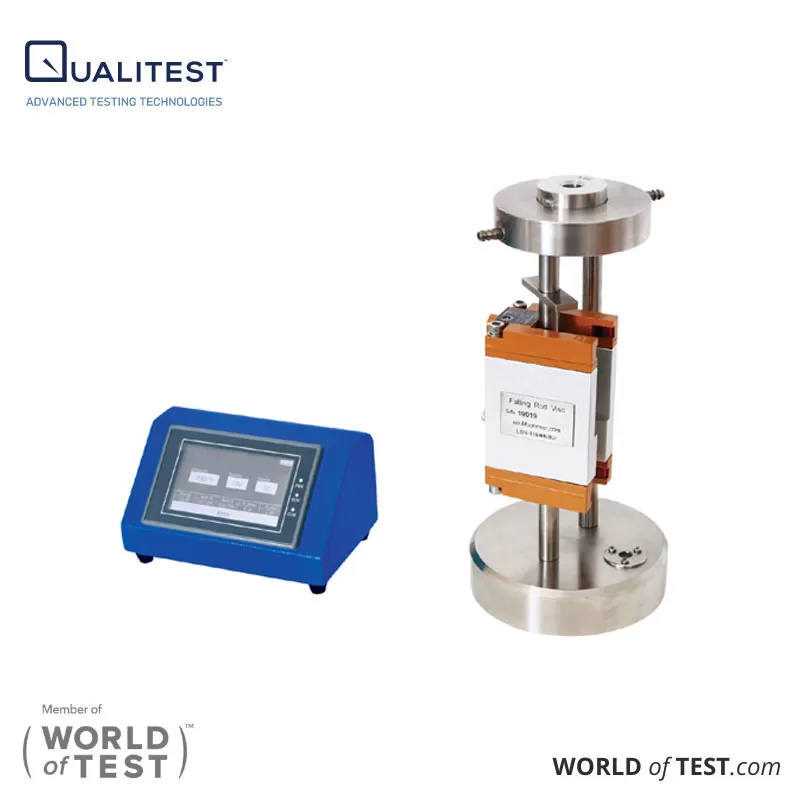
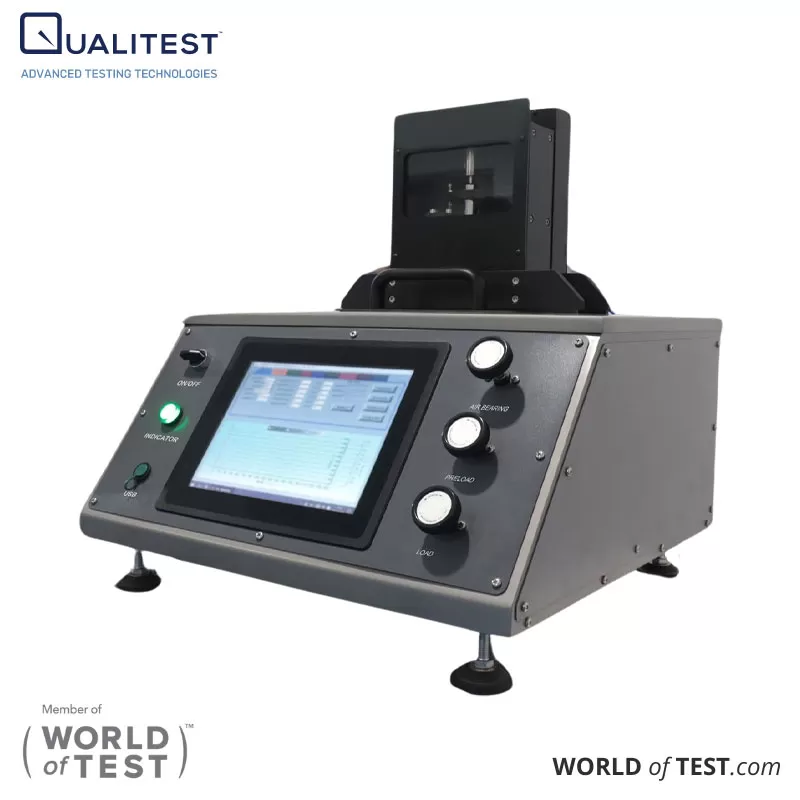
    Qualitest offers two series of capillary rheometers: the LCR7000 series as well as the QualiCR-6000 model. These high-performance instruments provide accurate and reliable melt flow analysis for a wide range of applications. With advanced features such as automated data analysis, high-speed testing, and multiple pressure sensors, Qualitest capillary rheometers ensure superior material characterization and processing optimization.

    Choosing the Right Capillary Rheometer

    Selecting the right capillary rheometer depends on your testing requirements, including temperature range, pressure capacity, and die configurations. Advanced models offer automated data analysis, high-speed testing, and multiple pressure sensors for enhanced accuracy.

    For laboratories and industries requiring precise melt flow analysis, investing in a high-performance capillary rheometer ensures accurate material characterization, optimized processing conditions, and superior product quality.
    Customer ratings
    5.0
    5
    0%
    4
    0%
    3
    0%
    2
    0%
    1
    0%

    Share product reviews

    Rate and comment

    Send your comment

        Comment
        Submit a comment
          Comment