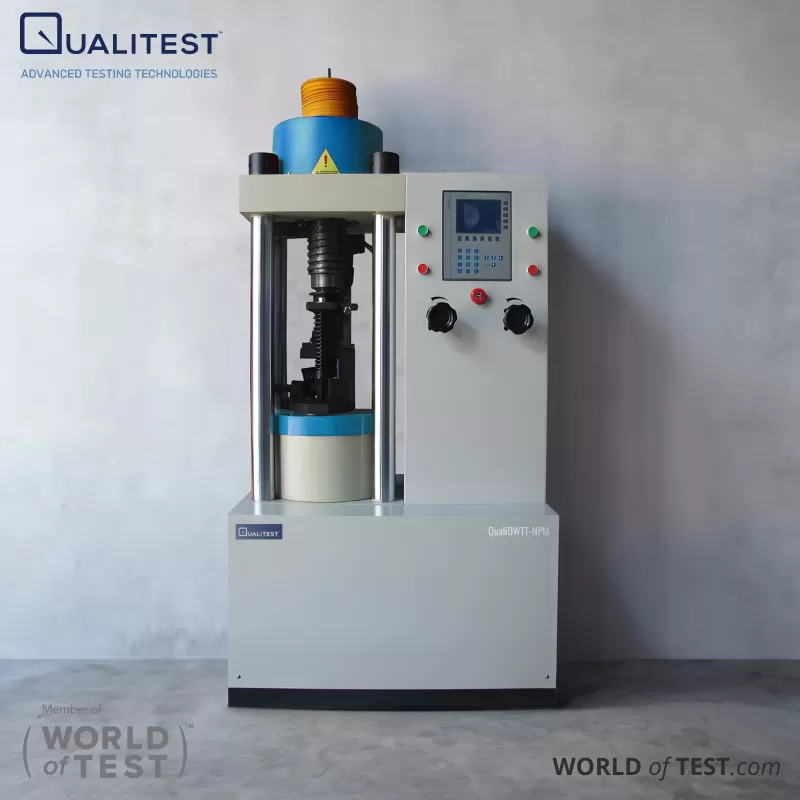
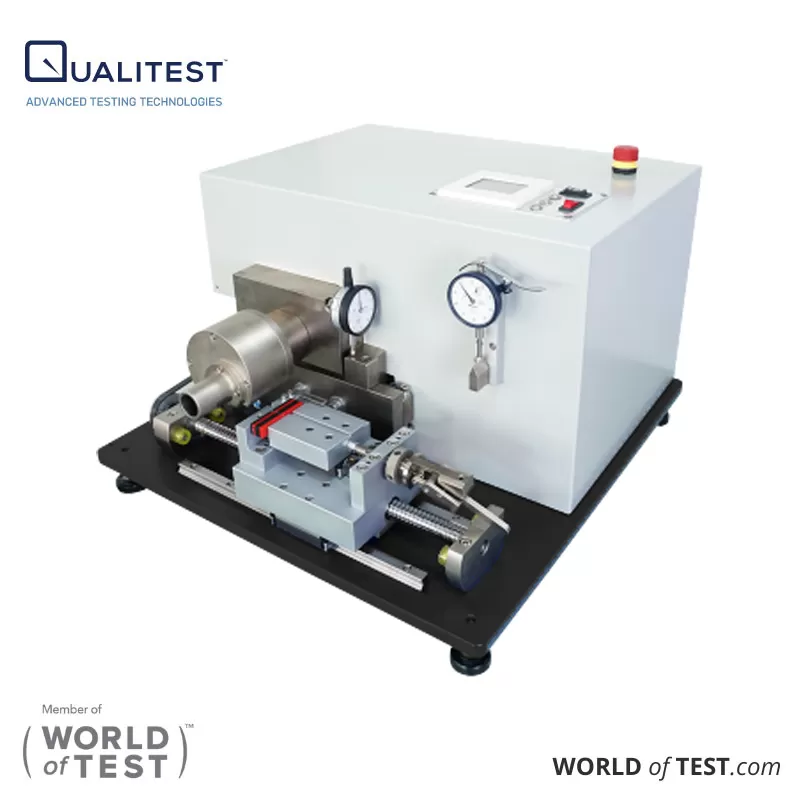
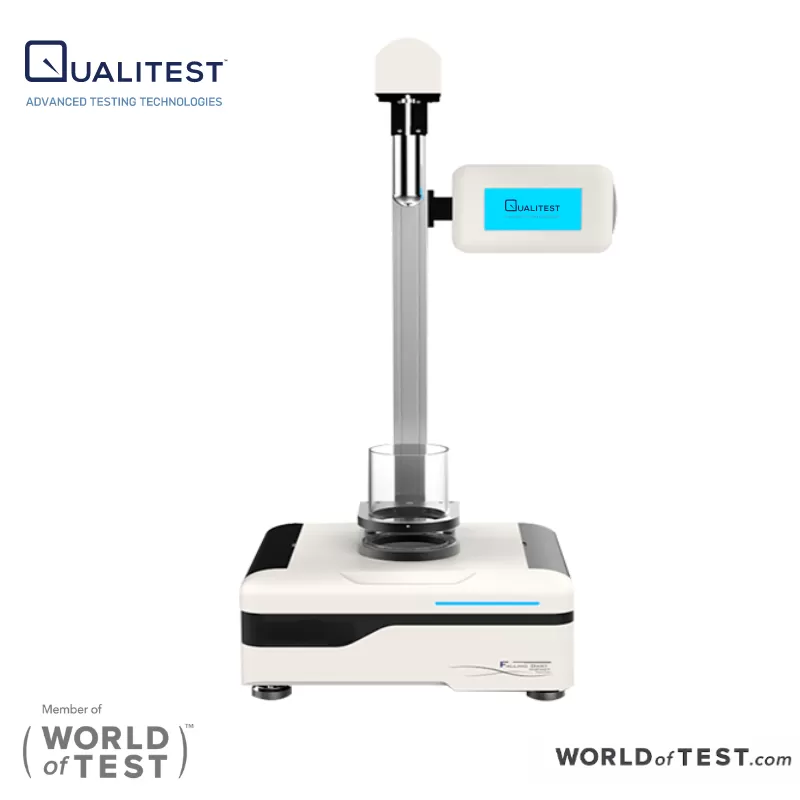
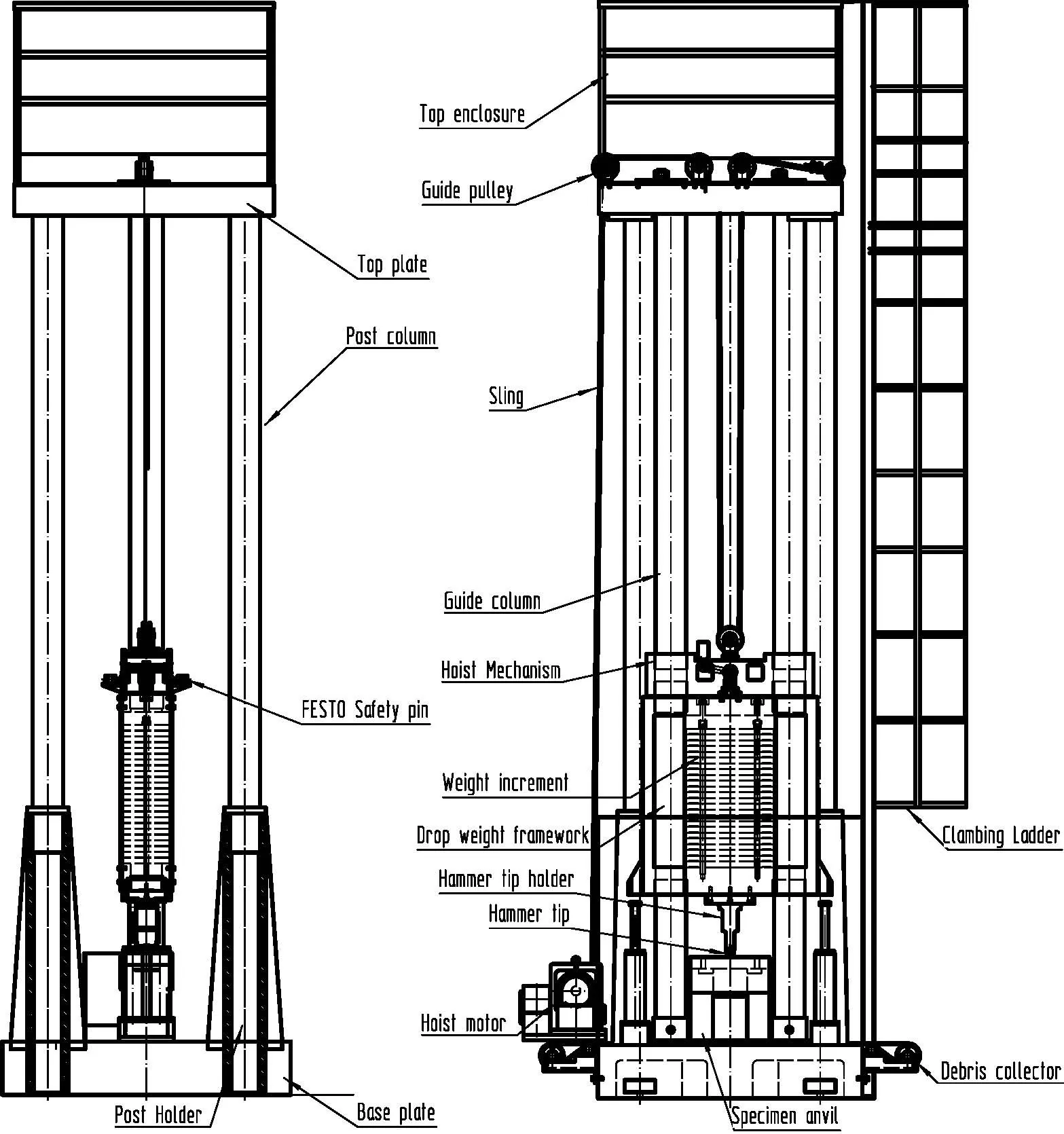
Steel pipelines are widely used to transport energy in the form of liquid petroleum and natural gas. The steel used in the manufacture of these pipelines must have high strength and toughness, and high resistance to fracture. Over the last few decades, it has been recognized that the Drop-Weight Tear Test (DWTT) better represents the ductile fracture resistance than the Charpy Test, as it utilizes a specimen that has the full thickness of the pipe and has a fracture path long enough to reach steady-state fracture resistance. The zones of ductile and brittle fracture during DWTT characterize the quality of pipeline steels.
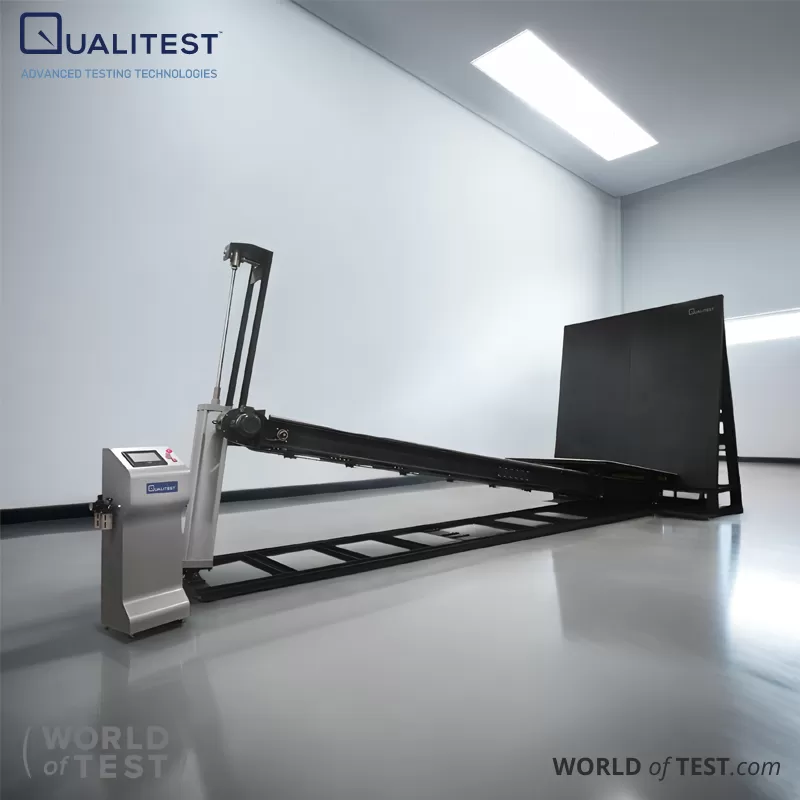
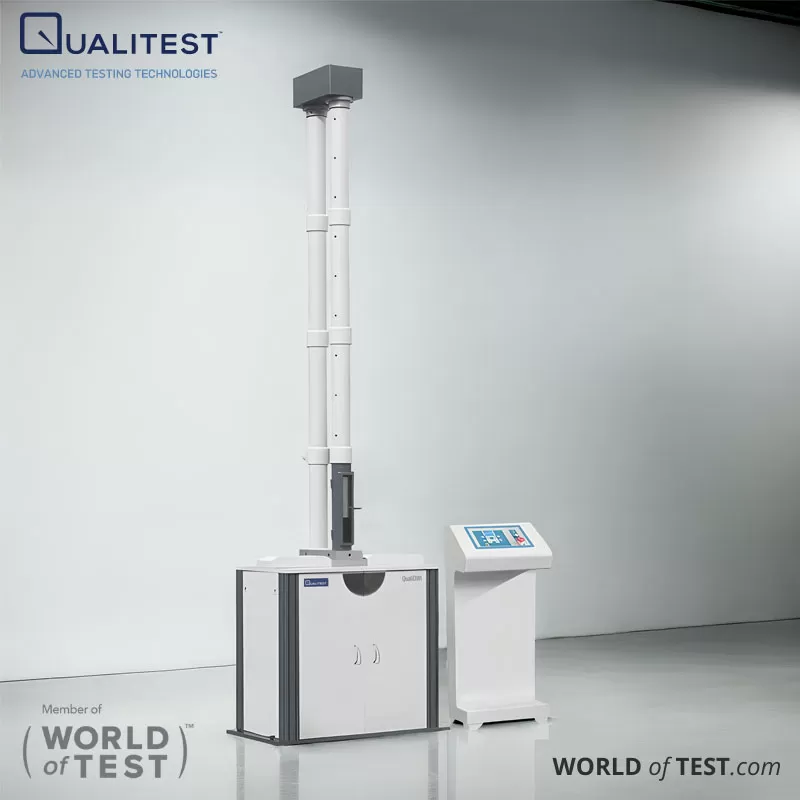
The Drop Weight Tear Test (DWTT), specified in API RP 5LR or ASTM E436, was developed in the early 1960s at the Battelle Memorial Institute, USA, to overcome some limitations of the 'Pellini' Drop- Weight Test. Drop Weight Tear Testing is a material characterization test aimed at avoiding brittle fracture and ensuring crack arrest in pipelines (seamless or welded).
 English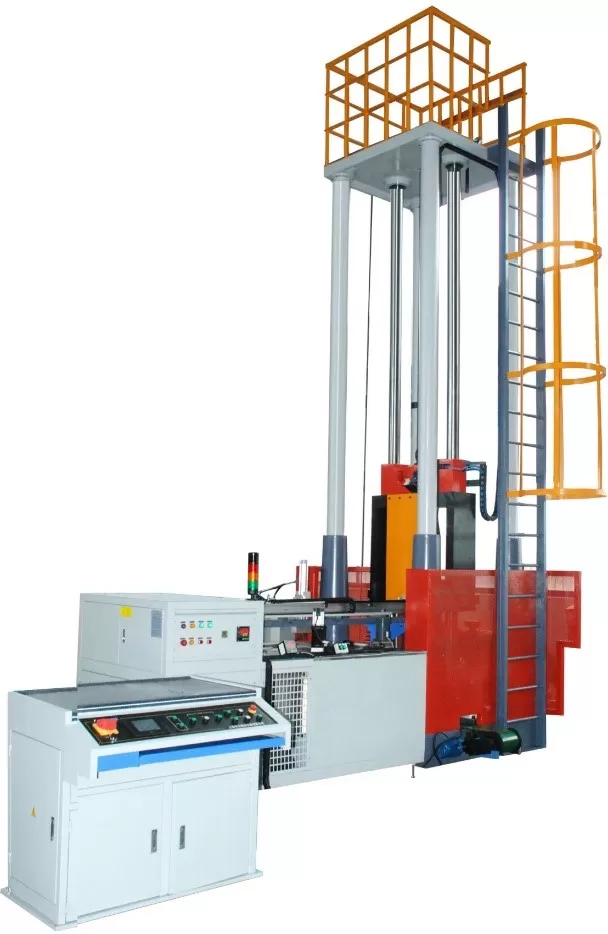

Comment