Determining Aerobic Biodegradation of Plastic Materials Under Controlled Composting Conditions
As the global focus shifts towards sustainability, the biodegradation of plastic materials has become a crucial area of research. Understanding how plastics break down in composting environments is essential for developing eco-friendly materials and reducing environmental impact. This article explores methods for determining aerobic biodegradation of plastic materials under controlled composting conditions, with a focus on measuring evolved carbon dioxide and incorporating thermophilic temperatures. We will also discuss the standards that guide these processes and highlight the advanced Compost Degradation Testers offered by Qualitest.
Methods for Assessing Aerobic Biodegradation
- Analysis of Evolved Carbon Dioxide: One of the primary methods to assess aerobic biodegradation is by analyzing the carbon dioxide evolved during the composting process. As microorganisms break down the plastic materials, they produce carbon dioxide as a byproduct. This method involves capturing and quantifying the amount of CO2 evolved, which directly correlates to the degree of biodegradation.
- Incorporating Thermophilic Temperatures: Thermophilic temperatures (45-60°C) are critical in composting processes as they enhance microbial activity and accelerate the breakdown of organic materials, including plastics. By maintaining composting conditions within this temperature range, researchers can simulate realistic composting environments and obtain accurate biodegradation rates.
- Measuring Oxygen Demand in a Respirometer: Another effective method involves determining the ultimate aerobic biodegradability of plastics by measuring the oxygen demand in a respirometer. This device measures the amount of oxygen consumed by microorganisms as they decompose the plastic material. The oxygen demand data provides insights into the biodegradability and the efficiency of the composting process.
- Measuring Carbon Dioxide Evolved in Soil: Similar to the composting environment, measuring the amount of carbon dioxide evolved in soil conditions is another way to determine the biodegradability of plastics. This method simulates natural soil environments where plastics might end up, providing a comprehensive understanding of their environmental impact.
Standards for Compost Testing
To ensure consistency and reliability in biodegradation testing, several international standards have been established:
- ISO 14855-1: Specifies a method for determining the ultimate aerobic biodegradability of plastic materials under controlled composting conditions by measuring the carbon dioxide evolved.
- ASTM D 5338: A standard test method for determining aerobic biodegradation of plastic materials under controlled composting conditions.
- ASTM D 6400: Specifies the requirements for labeling of plastics designed to be aerobically composted in municipal or industrial facilities.
- JIS K 6953: Japanese Industrial Standard for determining the ultimate aerobic biodegradability of plastic materials in compost.
- GB 22047: Chinese standard for testing the aerobic biodegradation of plastics in composting conditions.
- ISO 17556-2019: Specifies a method for determining the ultimate aerobic biodegradability of plastic materials in soil by measuring the oxygen demand in a respirometer or the amount of carbon dioxide evolved.
Advanced Compost Degradation Testers by Qualitest
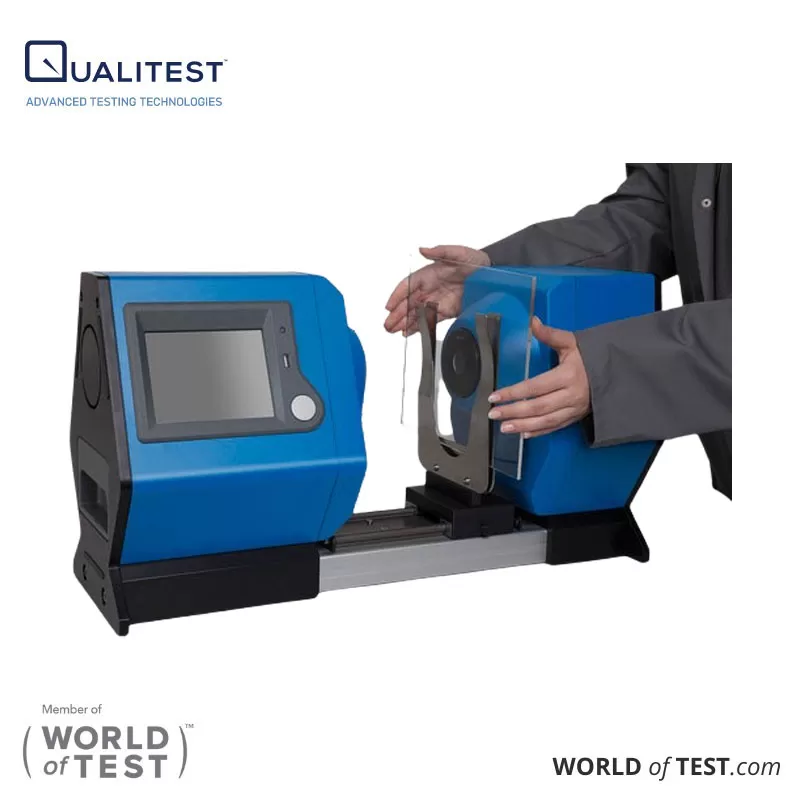
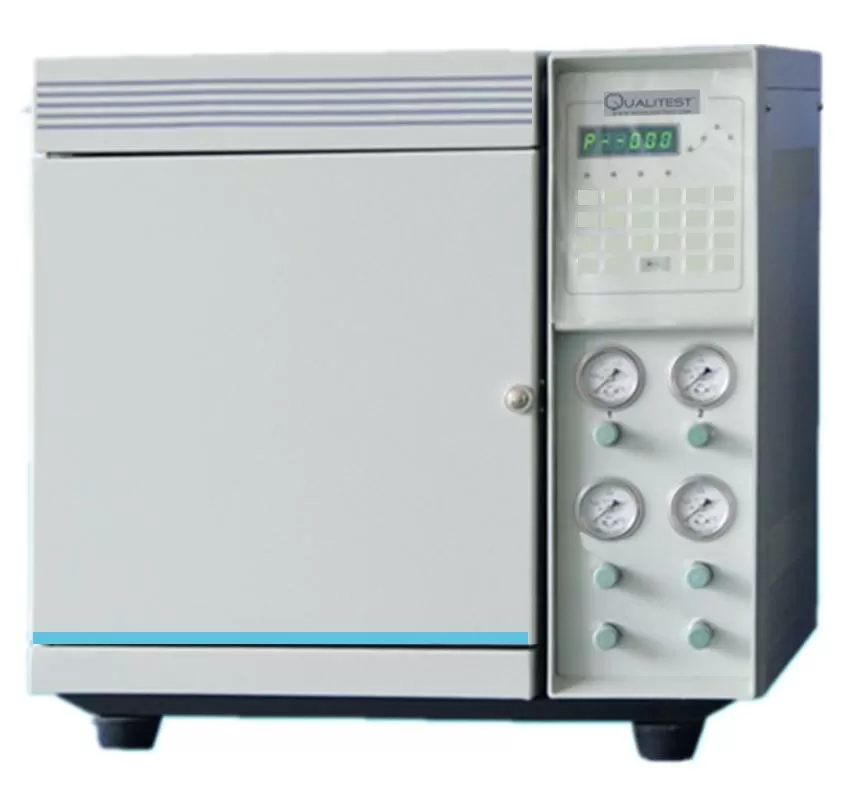
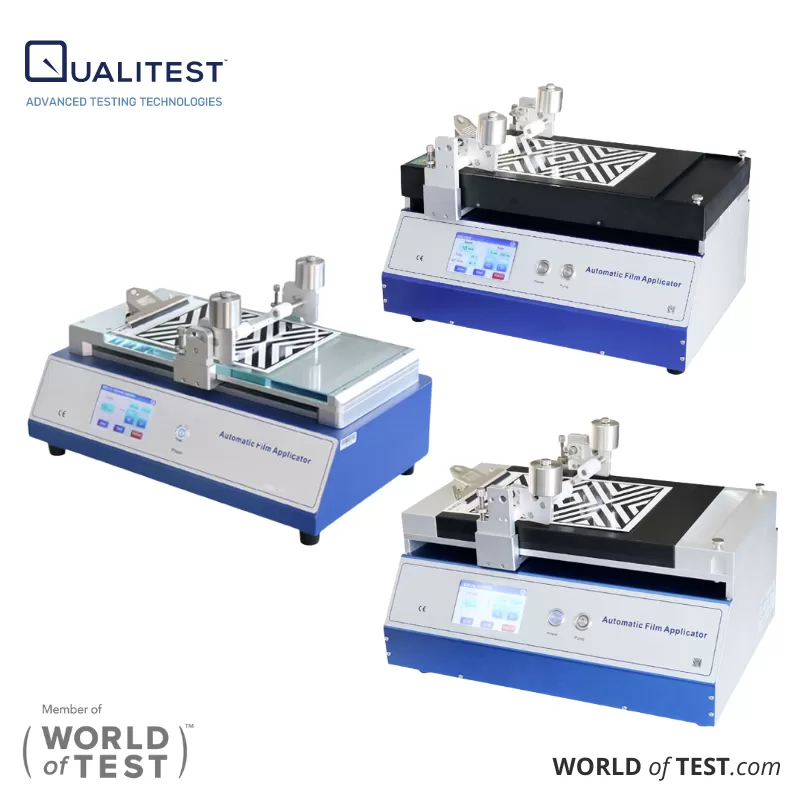
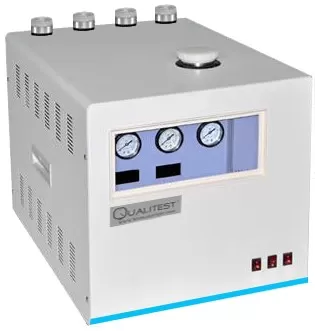
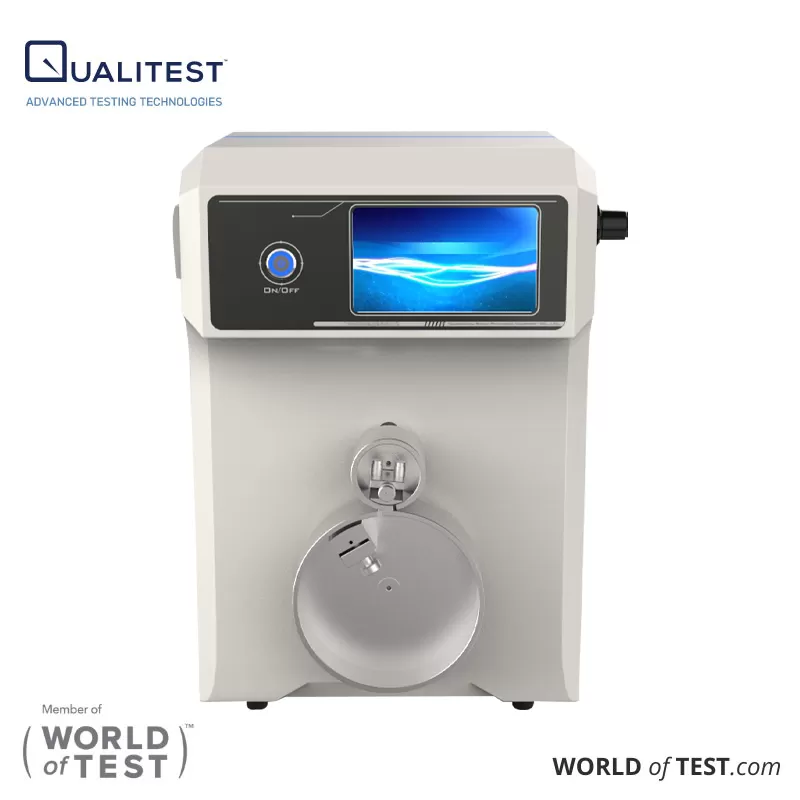
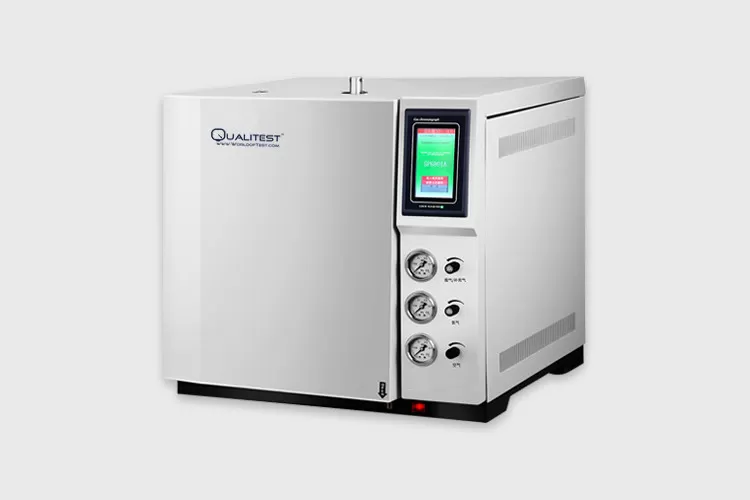
For precise and efficient compost degradation testing, Qualitest offers a full range of advanced Compost Degradation Testers. These testers are designed to meet the requirements of international standards, providing reliable and accurate results. Whether you are testing for evolved carbon dioxide or measuring oxygen demand in a respirometer, Qualitest's equipment ensures high-quality data for your biodegradation studies.
By adhering to these methods and standards, researchers and manufacturers can ensure that their plastic materials are eco-friendly and suitable for composting environments. This not only aids in reducing environmental pollution but also promotes sustainable development in the plastic industry.
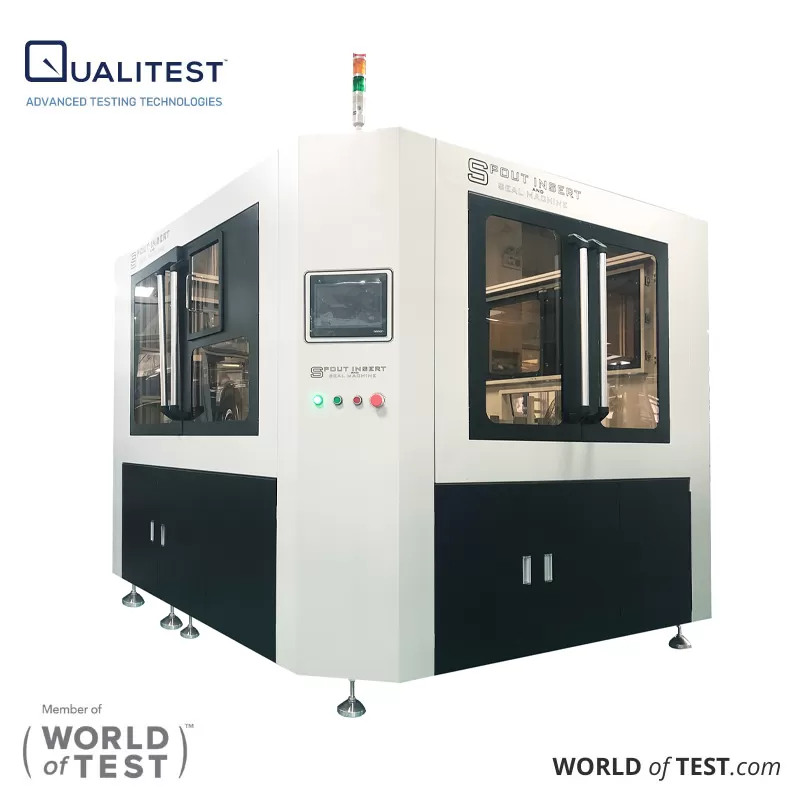
For more information on Qualitest's range of Compost Degradation Testers and Compost Testing Solutions explore below product range:


 English
Comment