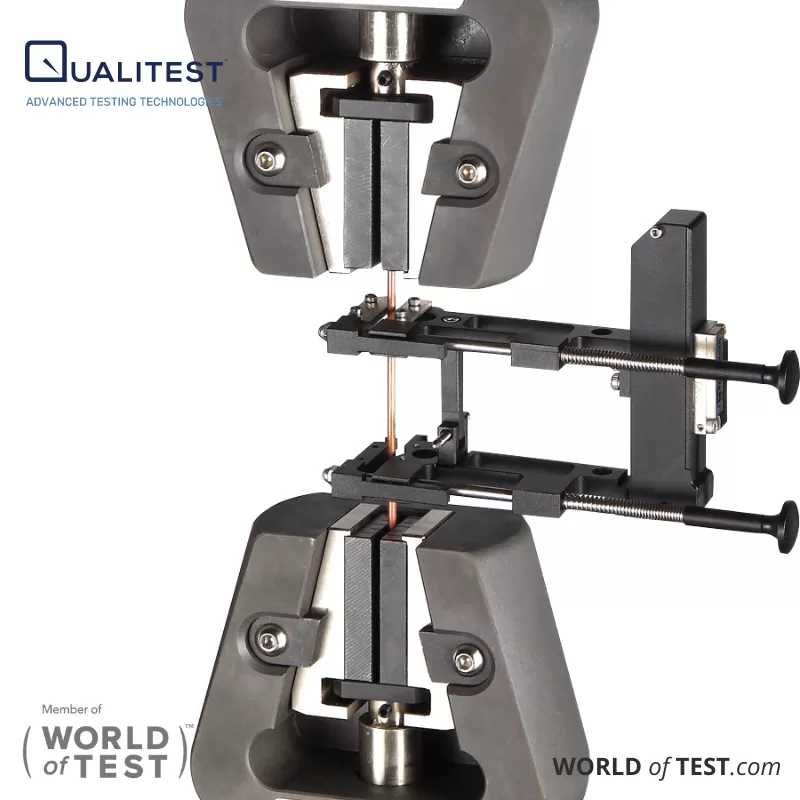
Extensometers are essential instruments used in materials testing to measure the deformation of a specimen under stress. These devices are crucial in ensuring accurate and reliable data for research and quality control in various industries. At Qualitest, we offer a comprehensive range of extensometers designed to meet diverse testing needs, ensuring precision, quality, and affordability.
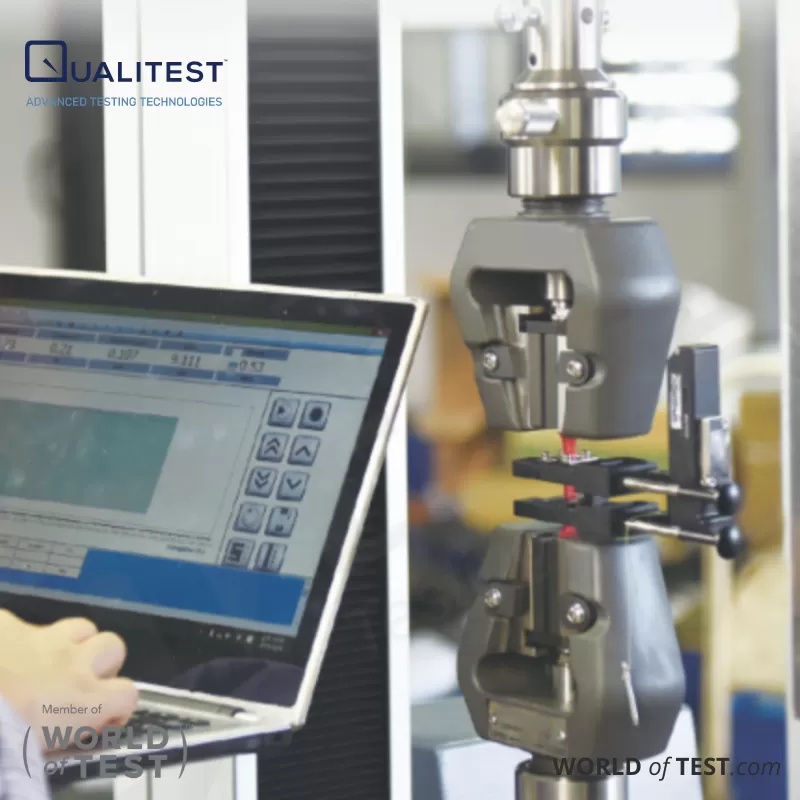
Clip-on extensometers are widely used due to their ease of installation and versatility. They attach directly to the specimen and are ideal for static testing applications. These extensometers are suitable for measuring strain in metals, plastics, and composites, offering high accuracy and repeatability.
Long stroke extensometers are designed for materials that undergo large deformations. They are particularly useful in testing elastomers, rubber, and plastics. These extensometers provide precise measurements over extended ranges, making them indispensable in applications where significant elongation is expected.
3. Video and Non-Contact Extensometers:
Video and non-contact extensometers utilize advanced optical technologies to measure strain without physically touching the specimen. These systems are perfect for high-temperature testing, delicate materials, or situations where traditional contact methods may interfere with the test. Non-contact extensometers are ideal for dynamic testing applications and can handle complex strain measurements with high accuracy.
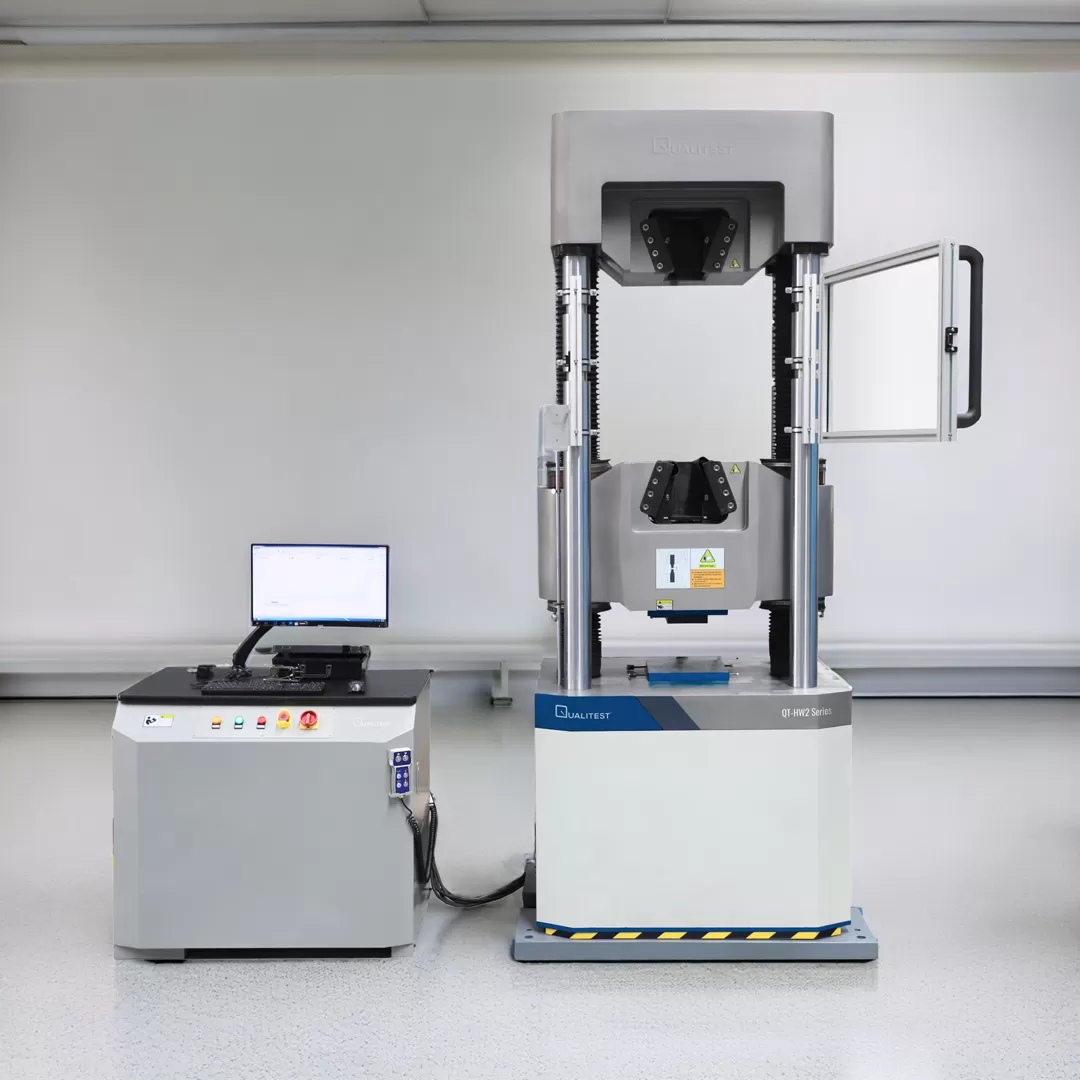
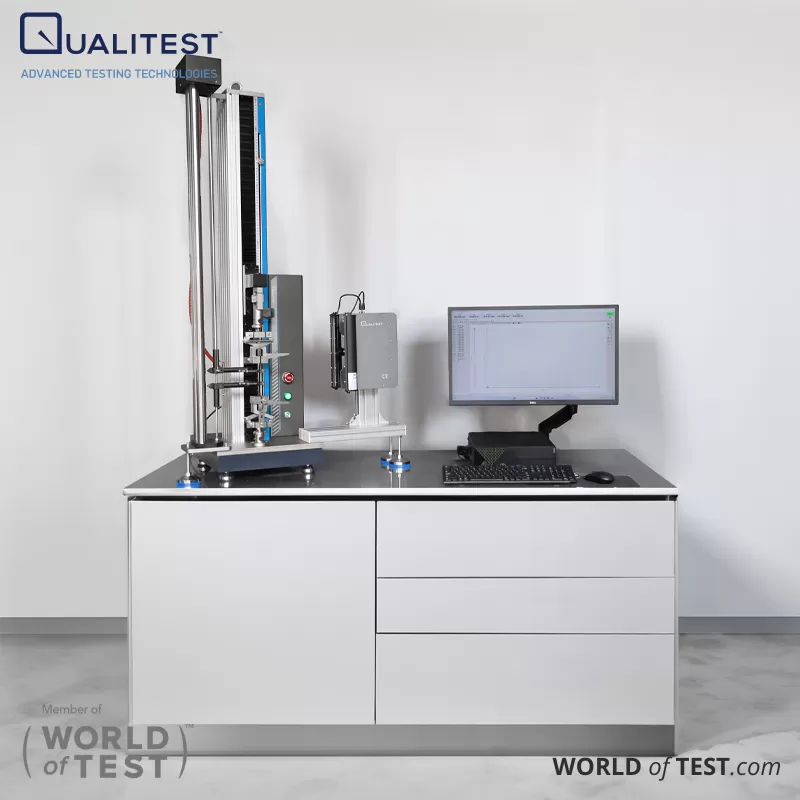
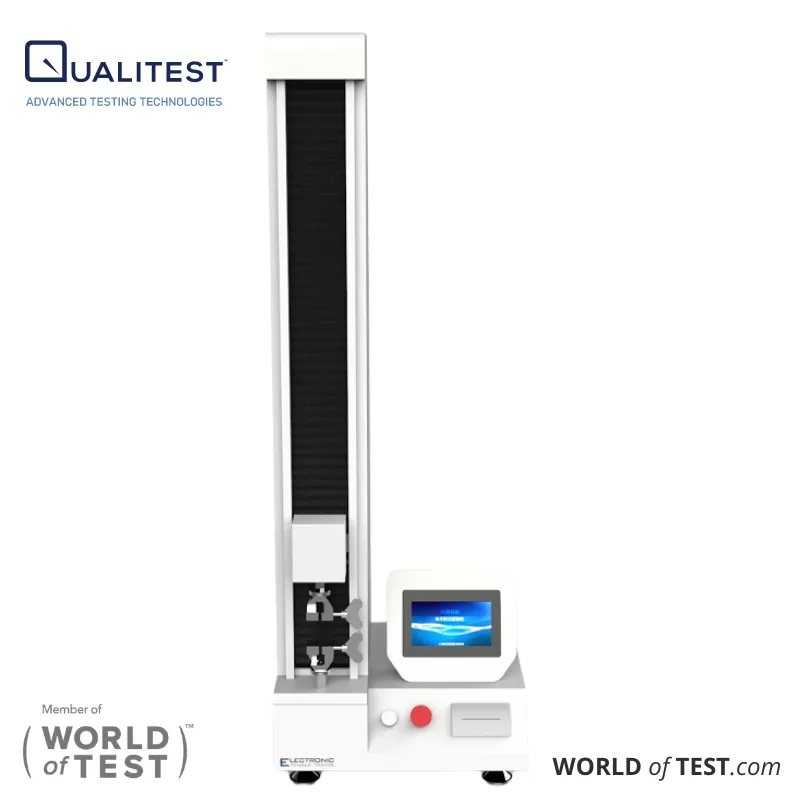
Extensometers are critical accessories for universal testing machines (UTMs), enhancing their capability to perform various types of materials testing. They are extensively used in:
Qualitest extensometers comply with international standards, ensuring that our devices meet the stringent requirements for materials testing:
At Qualitest, we pride ourselves on offering a full range of extensometers that are precise, high quality, and affordable. Our products are engineered to provide reliable performance in even the most demanding testing scenarios. Whether you need a clip-on extensometer for routine tests or a sophisticated video extensometer for advanced research, we have the right solution for you.
Enhance your materials testing capabilities with Qualitest extensometers. Contact us today to learn more about our products and how we can help you achieve accurate and reliable test results.
For more information on our extensometer range and to find the right solution for your testing needs, get in touch with our team of experts. Discover the Qualitest difference in materials testing excellence.
Qualitest: Precision, Quality, Affordability in Materials Testing.

 English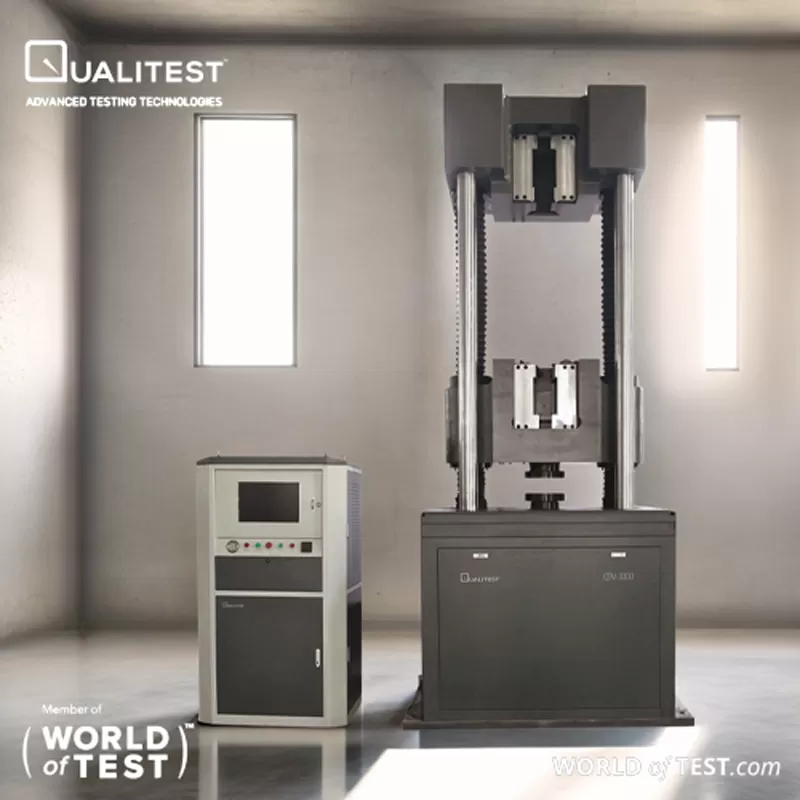
Comment